Discover the Top Paint Colors Recommended by a Painter in Orlando, FL to Create a Relaxing Retreat

house painter orlando

Choosing the right paint color can significantly impact the mood and atmosphere of your home. Certain colors are scientifically proven to evoke feelings of calmness and serenity, which can be particularly beneficial in creating a relaxing retreat within your living space. Below, we explore five calming paint colors that can help you cultivate a soothing environment.

1. Soft Blue

Soft blue tones mimic the tranquility of clear skies and calm waters, making them ideal for relaxation. This color works beautifully in bedrooms or bathrooms where peace is paramount.

2. Light Gray

Light gray is a versatile neutral that exudes sophistication while maintaining a sense of calm. It pairs well with a variety of accent colors and textures to create a balanced aesthetic.

  • Benjamin Moore’s “Stonington Gray”
  • Sherwin-Williams’ “Repose Gray”
  • Living rooms
  • Open-plan spaces
  • Kitchens
Key Benefits Design Tip
Creates a soothing backdrop Use warm accents in furniture or decor to avoid feeling too cold or sterile

3. Sage Green

Sage green brings the natural beauty of plants indoors, offering both freshness and tranquility. Its subtle green undertones promote balance, grounding any space effortlessly.

  • Farrow & Ball’s “Mizzle”
  • Behr’s “Sage Gray”
  • Kitchens
  • Entryways
  • Living rooms

4. Pale Pink

Modern pale pinks are soft enough to feel neutral yet warm enough to add personality without overwhelming the senses. This color has become increasingly popular for its ability to evoke comfort and charm.

  • Valspar’s “Blush Beige”
  • Benjamin Moore’s “First Light”
  • Bedrooms
  • Nurseries
  • Reading nooks

5. Warm Beige or Taupe

Beige and taupe tones are timeless choices that radiate warmth and coziness. These hues create an inviting atmosphere while maintaining an understated elegance.

  • Sherwin-Williams’ “Accessible Beige”
  • Benjamin Moore’s “Classic Taupe”
  • Dining rooms
  • Guest bedrooms
  • Hallways

Expert Tips from Orlando Painters for Choosing Your Calming Paint Color

  1. Consider natural light – softer hues often look best in well-lit spaces.
  2. Test samples on walls – observe how the color changes throughout the day.
  3. Pair with minimalistic decor – clutter-free spaces amplify the relaxing effect.
  4. Complement with textures – soft furnishings like throws or rugs enhance warmth.

By incorporating these calming paint colors into your home, you can create an environment tailored for rest and rejuvenation while showcasing timeless style and comfort at every turn.

Discover Orlando Painting Tips with Sherwin-Williams Colors for a Peaceful Living Environment

Creating a peaceful and calming living environment often starts with choosing the right paint colors. Sherwin-Williams, known for its wide range of premium-quality paints, offers an array of soothing shades that can transform your home into a serene retreat. Below, we explore some of the most tranquil Sherwin-Williams paint colors and how they can be used to foster relaxation in any space.

Top Color Picks for Interior Painting Orlando: Sea Salt (SW 6204)

This soft greenish-gray hue has become a popular choice for homeowners seeking a blend of freshness and tranquility. Its muted tone evokes the calmness of the ocean and pairs beautifully with neutral furnishings or natural wood accents.

Best Uses:
– Bathrooms: Sea Salt adds an air of freshness and spa-like serenity to small spaces.
– Bedrooms: Pair it with white bedding or cream-colored furniture to enhance relaxation.

Choosing Agreeable Gray (SW 7029) with a Trusted Painting Company Orlando

Agreeable Gray is one of Sherwin-Williams’ most versatile colors, offering warmth without being overpowering. The mix of gray and beige creates a neutral backdrop that complements modern or traditional interiors.

Why It’s Soothing:
– Its subtle undertones create balance without overwhelming the senses.
– It works well in spaces where you want to feel cozy yet refreshed, such as living rooms or open areas.

Pair With: Soft whites, taupes, or even pastel accents like pale blues or dusty pinks for added dimension.

Rainwashed (SW 6211)

For those drawn to airy blues with hints of green, Rainwashed provides an ideal option to create calmness while promoting focus and clarity.

Where It Works Well:
– Home offices: Encourages productivity while keeping stress at bay. – Kitchens: Enhances natural light and creates a breathable space for cooking or dining.

Complementary Decor Suggestions
Flooring Light oak or whitewashed wood
Accents Silver hardware; glass decor

Alabaster (SW 7008)

Named Sherwin-Williams’ Color of the Year in 2016, Alabaster is an off-white shade with warm undertones that exude simplicity and timeless elegance.

Benefits:

  • Creates an expansive look in smaller rooms.
  • Reflects natural light beautifully, adding warmth without appearing sterile.

This shade works seamlessly in any room but is especially effective in entryways, bedrooms, or minimalist-inspired spaces looking for understated sophistication.

Repose Gray (SW 7015)

Neither too cool nor too warm, Repose Gray strikes just the right balance for those looking to achieve understated sophistication within their interior design choices.

Styling Tip: Incorporate deep greens or navy accents through furniture pieces such as throw pillows or rugs for added depth while maintaining elegance.

Final Thoughts on Choosing Calming Paint Colors

When selecting soothing paint shades from Sherwin-Williams, consider how each color interacts with light throughout the day in your space. Neutral tones like Agreeable Gray offer flexibility across multiple styles, while bolder options like Rainwashed invite personality into specific areas without compromising peace. Ultimately combining these tones alongside complementary furnishings will ensure harmony throughout your living environment—a haven designed specifically around calmness tailored uniquely toward individual preferences. If you need professional help with choosing the right colors and actually doing the hard work of painting your walls visit https://www.orlandopainter.org.

Exploring Gentle and Inviting Paint Shades to Enhance Your Home’s Ambiance

Creating a warm and inviting home can often start with the right choice of paint colors. Gentle and soothing shades not only add beauty to your space but also influence mood, comfort, and ambiance. Selecting the perfect paint shade for your walls can transform any room into an oasis of calm and serenity. Below, we explore some inviting color options and practical tips for using them effectively in your home.

Characteristics of Gentle and Inviting Paint Shades

  • Soft Tones: These colors are muted rather than bold, helping to reduce visual noise.
  • Neutral Undertones: Subtle undertones like beige, gray, or cream allow colors to remain versatile.
  • Earthy or Natural Hues: Inspired by nature, such shades bring an organic feel to the space.

These paints work well in both modern and traditional interiors by providing a timeless look.

Popular Gentle Paint Shades for a Relaxing Home

  1. Light Gray (e.g., Agreeable Gray by Sherwin-Williams)
    A neutral yet warm tone that adapts well to almost any room.
  2. Soft Blue (e.g., Palladian Blue by Benjamin Moore)
    Soft blues evoke clarity and calmness reminiscent of clear skies or tranquil waters.
  3. Warm Beige (e.g., Accessible Beige by Sherwin-Williams)
    A classic choice that pairs seamlessly with various furnishings.
  4. Pale Green (e.g., Sea Salt by Sherwin-Williams)
    A relaxing shade inspired by nature, ideal for bedrooms or bathrooms.
  5. Muted Lavender (e.g., Silver Peony by Behr)
    Subtle purple tones strike a balance between elegance and coziness.

Tips for Selecting the Right Shade

  • Lighting Matters: Natural light makes colors appear brighter, while artificial light may alter how they look.
  • Test Paint Samples: Test swatches on your wall during different times of day to see how they change under varying lighting conditions.
  • Consider Room Size: Lighter colors often make small rooms feel more spacious.
  • Think About Emotional Impact: For example:
  • Blues inspire calmness.
  • Greens create harmony.
  • Neutrals promote balance.

Using Gentle Colors Effectively at Home

  1. Pair gentle wall colors with natural textures like wood or stone for added warmth.
  2. Use monochromatic palettes where walls match lighter-toned furniture or decor items.
  3. Add contrast through accent pieces such as throw pillows or rugs in complementary hues.
  4. Create focal points using bolder tones sparingly against subdued walls.
Paint Color Mood It Evokes Best Room Applications
Light Gray Calm yet neutral Living rooms, hallways
Soft Blue Serene & refreshing Bedrooms, bathrooms
Warm Beige Cozy & welcoming Dining areas, living rooms
Pale Green Restful & natural Bedrooms, kitchens
Muted Lavender Elegant & soft Guest rooms

Gentle paint shades hold incredible potential to transform spaces into havens of comfort while maintaining aesthetic appeal across different design styles.

How to Use Calming Paint Tones to Foster Relaxation and Tranquility in Your Space

Creating a relaxing and tranquil space in your home starts with selecting the right paint colors. Calming tones have the ability to influence mood, reduce stress, and promote a sense of well-being. Below are tips on how to effectively use calming paint tones to transform your living environment into a peaceful retreat.

Understand the Psychology of Colors

Color psychology plays an essential role in creating a serene atmosphere. Certain colors are known to evoke feelings of calm and relaxation, while others can be energizing or overstimulating. Consider these common calming hues:
Soft Blues: Resembling the sky or ocean, blues evoke peace and clarity.
Light Greens: Reminiscent of nature, greens foster balance and renewal.
Warm Neutrals: Beige, taupe, or off-white tones create a grounding effect.
Pale Lavender: This hue exudes calmness with its subtle elegance.

By understanding these connections, you can choose shades that best suit the mood you want to cultivate.

Choose the Right Finish

Finish Type Effect on Space Best Used For
Matte Soft and muted appearance Bedrooms or living rooms
Eggshell Slight sheen for easy maintenance Kitchens or bathrooms
Satin Smooth finish with subtle glow Hallways or family spaces

Using finishes like matte or eggshell for calming colors ensures that light reflection doesn’t overwhelm the space.

Combine Calming Colors with Natural Elements

  • Wooden furniture for warmth and texture
  • Cotton or linen fabrics for softness
  • Indoor plants for freshness and air purification

For example, soft green walls paired with light oak wood furniture create a harmonious connection between indoor spaces and nature.

Use Accent Colors Strategically

  1. Pair pale blue walls with white accents for an airy feel.
  2. Use soft gray tones alongside muted gold accessories.
  3. Mix off-whites with small touches of pastel pinks for added warmth.

Keep accent colors minimal so they don’t overpower the serene base shade.

Lighting Matters

  • Use warm LED lighting to enhance earthy neutrals.
  • Try daylight-balanced bulbs to maintain true color perception in spaces painted soft blues or greens.

Position reflective surfaces like mirrors strategically to bounce light across painted walls during daytime hours.

Incorporating these tips will help you achieve an environment that promotes peace, relaxation, and mindfulness by harnessing the power of soothing paint shades combined with thoughtful design choices.

Top Tips for Incorporating Serene Paint Colors into Your Interior Design Choices

Selecting calming and serene paint colors can significantly enhance the atmosphere of your home, creating a peaceful and inviting environment. Thoughtful choices in color and design ensure your living space promotes relaxation while remaining stylish. Below are some top tips to help you incorporate serene paint colors into your interior design effectively.

1. Understand the Psychology of Colors

  • Blues: Often associated with tranquility, blues mimic the soothing qualities of water and sky.
  • Greens: Representing nature, greens bring balance, freshness, and harmony to a space.
  • Neutrals: Soft whites, beiges, and greys convey simplicity and comfort without overwhelming the senses.
  • Pastels: Gentle pinks and lavenders add a touch of softness while maintaining a relaxed aesthetic.

2. Pair Paint Colors with Complementary Elements

  • Match cool-toned walls (like pale blue or sage green) with natural wood furniture or soft grey accents.
  • For warmer neutral tones, use off-white textiles or beige rugs for seamless coordination.
  • Combine pastel walls with metallic accents (e.g., gold or brass) for an understated elegance.
Wall Color Complementary Accents Suggested Materials
Light Blue White furniture, grey textiles Linen curtains, ceramic vases
Soft Beige Warm wood tones Oak tables, woven baskets
Pale Lavender Metallic finishes Brass lamps, silver-framed mirrors

3. Layer Textures for Depth

  • Cushions in varying fabrics (cotton, velvet).
  • Area rugs made from natural fibers like jute or wool.
  • Curtains with light patterns or embroidery that complement wall tones.

This approach ensures your serene color palette feels dynamic yet cohesive.

4. Consider Lighting

  • Natural light enhances cooler hues like blues or greys but can make spaces feel too cold without warm accents.
  • Use warm LED bulbs to soften pastel shades.
  • Incorporate dimmers for adjustable ambiance based on mood.

Experiment with swatches in various lighting conditions before committing to a final shade.

5. Create Flow Between Rooms

  1. Stick to a cohesive color scheme across shared spaces like hallways and living rooms.
  2. Use accent walls sparingly—choose subtly darker shades within the same palette for contrast without disruption.
  3. Gradually transition between hues by selecting similar undertones (e.g., from muted teal in one room to pale aqua in another).

This method ensures harmony between rooms rather than abrupt changes.

By thoughtfully incorporating serene paint colors into your home’s interior design through careful selection and pairing techniques, you create a space that fosters relaxation while retaining aesthetic appeal.


Key Insights for Beginners from a Painter Orlando, FL: Understanding the Fundamentals of Home Painting

The house wall gets new color The house wall gets new color House Painting stock pictures, royalty-free photos & images

Painting your home is one of the most effective ways to refresh its look and feel. Whether you’re embarking on a DIY project or hiring professionals, understanding the basics of home painting can save you time, money, and effort. Below, we explore key insights to help beginners navigate this process with confidence.

Why Paint Matters: Beyond Aesthetics

  • Protection: Paint acts as a barrier against moisture, sunlight, and other environmental factors that can damage surfaces over time.
  • Durability: High-quality paints can extend the life of both interior and exterior surfaces.
  • Hygiene: Many modern paints feature antimicrobial properties that help prevent mold and mildew growth.
  • Home Value: A fresh coat of paint enhances curb appeal and may even increase property value.

Essential Tools for Home Painting

  • Paintbrushes (angled and flat): Ideal for cutting in edges or painting trim.
  • Rollers (various sizes): Perfect for covering large surface areas quickly.
  • Painter’s tape: Ensures clean lines along edges or corners.
  • Drop cloths/tarps: Protects floors, furniture, or other surfaces from spills.
  • Paint buckets/trays: Helps manage paint application efficiently.
  • Sandpaper or sanding blocks: Prepares surfaces by smoothing imperfections or removing old paint.

Types of Paints and Their Uses

Type Use Case Key Features
Latex/Water-Based Interior walls; ceilings Quick-drying; easy to clean
Oil-Based Doors; trim; metal surfaces Durable; smooth finish
Acrylic Exterior siding; fences Weather-resistant; long-lasting
Specialty Paints Bathrooms; kitchens Mold-resistant; stain-blocking

Tips for Beginners

  1. Start with small projects before tackling an entire room or house. This helps you get comfortable with techniques without overwhelming yourself.
  2. Always test paint colors using samples on your wall under different lighting conditions to ensure satisfaction with your choice.
  3. Prepare surfaces meticulously by cleaning dirt, repairing cracks or holes, and applying primer where necessary.
  4. Work in sections rather than trying to cover large areas at once to avoid streaks or uneven textures.

Common Beginner Mistakes (and How to Avoid Them)

  1. Skipping surface preparation – Dirty walls or unprimed surfaces often result in poor adhesion and uneven coverage.
  2. Choosing cheap tools – Low-quality brushes or rollers shed fibers that might embed into your paint job.
  3. Neglecting proper ventilation – Fumes from certain paints can be harmful if inhaled over long periods.

Starting with these fundamentals ensures that even beginners can approach their first home painting project armed with knowledge and confidence. Proper preparation combined with high-quality materials leads not only to stunning results but also adds lasting value to your home environment

Orlando painters share tips on choosing the right paint for every project

Selecting the right paint for a project is essential to achieving the desired aesthetic, durability, and functionality. Different paint formulations are suited for various surfaces and conditions, and understanding their properties can help homeowners and professionals make informed decisions. Below, we explore key types of paint formulations, their characteristics, and how to choose the right one.

Common Types of Paint Formulations

  1. Properties:
    • Easy to clean up with soap and water.
    • Dries quickly, often within a few hours.
    • Typically low in odor and volatile organic compounds (VOCs), making them more environmentally friendly.
    • Resistant to yellowing over time.
  2. Best For: Interior walls, ceilings, and areas with low to moderate moisture.
  3. Properties:
    • Provides a smooth finish with excellent durability.
    • Slower drying time compared to water-based alternatives.
    • Requires solvents like mineral spirits for cleanup.
  4. Best For: Trim, doors, cabinets, or high-traffic areas requiring extra durability.
  5. Properties:
    • Flexible and resistant to cracking or peeling under temperature changes.
    • Water-resistant when dry.
  6. Best For: Exteriors where weather resistance is critical.
  7. Properties:
    • Offers excellent coverage with minimal coats.
    • Available in various sheens from matte to gloss.
  8. Best For: Indoor walls or exterior siding.
  9. Properties:
    • Provides a matte finish with vintage appeal.
    • Requires sealing with wax or topcoat for durability.
  10. Best For: Furniture restoration or decorative projects.
  11. Properties:
    High resistance to chemicals, stains, moisture, and wear—ideal for industrial settings

Comparison Table of Common Properties

Type Durability Drying Time VOC Levels Recommended Use
Water-Based Moderate Quick

Achieving a Professional Finish: Interior Painting Orlando Techniques and Tools

Achieving a professional-quality finish when painting requires more than just selecting the right paint. Proper techniques and using the correct tools are equally critical to ensure a smooth, high-quality result. Whether you’re a DIY enthusiast or tackling your first project, understanding these principles can make all the difference.

Essential Painting Tools

  • Paintbrushes: Ideal for precision work, such as cutting in edges near trim or corners.
  • Natural bristle brushes: Suitable for oil-based paints.
  • Synthetic bristle brushes: Work well with water-based (latex) paints.
  • Rollers: Best for covering large surfaces quickly with an even coat. Consider:
  • Short nap rollers (¼–⅜ inch): Smooth surfaces like walls and ceilings.
  • Medium nap rollers (½–¾ inch): Textured surfaces like stucco.
  • Long nap rollers (¾–1 inch): Rough or uneven surfaces.
  • Painter’s Tape: Ensures clean edges by masking areas you don’t want painted.
  • Drop Cloths: Protect furniture, flooring, and other surfaces from paint spills.
  • Paint Trays and Liners: Simplify roller applications by holding manageable amounts of paint.
  • Extension Poles: Help you reach high ceilings or walls without ladders.
  • Sprayers (optional): Useful for achieving a smooth finish on large areas but require practice to avoid overspray.

Step-by-Step Application Techniques

  1. Clean surfaces thoroughly to remove dirt, grease, or dust.
  2. Repair cracks and fill holes with spackling paste or putty.
  3. Sand rough patches for a smooth base before applying primer or paint.
  4. Priming is critical when painting over bare drywall, wood, or metal. It helps improve adhesion and promotes even color coverage.
  5. Dip only one-third of your brush into the paint to reduce drips.
  6. Use long, even strokes in one direction to avoid visible brush lines.
  7. Load the roller evenly by rolling it back and forth in the tray until saturated but not dripping.
  8. Start from one corner of the wall and use overlapping “W” patterns to distribute paint evenly before filling gaps with straight strokes.
  9. Use an angled brush to “cut in” around trim, edges, and ceilings prior to rolling larger areas. This ensures seamless blending between detailed areas and broader spaces.
  10. Applying two thin coats rather than one thick coat prevents drips while providing better coverage and durability over time.

Tips for Professional Results

  • Always stir paint thoroughly before application to ensure consistent pigmentation.
  • Maintain consistent pressure when using brushes or rollers for an even finish.
  • Avoid overloading tools with too much paint; it increases drying time and may lead to uneven textures.
  • Allow sufficient drying time between coats as per manufacturer instructions—typically 2–4 hours depending on humidity levels.

Table of Common Paint Tool Uses

Tool Best For Notes
Paintbrushes Detailed work like trims & corners Choose synthetic bristles for latex paints
Rollers Large surface coverage Match nap length to surface texture
Painter’s Tape Masking off specific areas Remove tape while paint is still tacky
Sprayers Smooth finishes on furniture & walls Practice technique before large projects

By combining these techniques with proper preparation and high-quality tools, you can achieve results comparable to professional painters while enhancing both durability and aesthetic appeal of your project.

Achieving a Professional Finish Every Time with a Painting Company Orlando

Achieving a professional-quality paint finish requires more than just high-quality paint; the techniques and tools used during application are equally important. Whether you are an experienced painter or a beginner, understanding proper techniques and selecting the right tools can make all the difference in attaining flawless results.

Essential Painting Tools

  • Paintbrushes: Ideal for cutting in edges, corners, and trim work. Choose brushes with synthetic bristles for water-based paints and natural bristles for oil-based paints.
  • Rollers: Perfect for covering large areas quickly. High-nap rollers work well on textured surfaces, while low-nap rollers are ideal for smooth surfaces.
  • Painter’s Tape: Helps create clean lines by masking off areas that should not be painted.
  • Drop Cloths: Protect floors, furniture, and other surfaces from drips and spills.
  • Paint Trays: Useful for loading rollers without creating excessive mess or waste.
  • Extension Poles: Attach to rollers for painting ceilings or high walls without ladders.
  • Scrapers & Sandpaper: Essential for surface preparation to remove old paint or smooth imperfections.

Concentrating while Decorating Young male decorator concentrating on his painting while watching the paintbrush. House Painting stock pictures, royalty-free photos & images

Techniques for Professional Results

Mastering a few key techniques can significantly improve your painting outcomes.

  1. Clean surfaces thoroughly to remove dirt, grease, or dust.
  2. Repair cracks or holes using spackle or putty.
  3. Sand uneven areas to create a uniform texture before priming.
  4. Priming the Surface: Applying primer ensures better paint adhesion and enhances durability. Use a primer that suits your surface type (e.g., wood, drywall, metal).
  5. Cutting In Edges First: Use an angled brush to carefully paint along edges, corners, and trim before rolling out larger sections with a roller.
  6. Using Consistent Strokes: For walls, use an “M” or “W” pattern with your roller to distribute paint evenly before filling in gaps with horizontal strokes.
  7. Apply Multiple Thin Coats Instead of One Thick Layer: Thick layers may lead to drips or uneven drying. Allow each coat to dry fully before adding another layer.
  8. Feathering Brush Strokes: When blending sections painted with brushes into those done with rollers, feather out strokes by lightly dragging the brush across wet edges.

Common Application Mistakes to Avoid

Mistake Why it’s Problematic How to Avoid It
Skipping Surface Preparation Paint may not adhere properly Clean thoroughly; repair imperfections
Using Too Much Paint Causes drips & uneven drying Load brushes/rollers moderately
Ignoring Drying Times Leads to smudging or bubbling Follow manufacturer’s recommended intervals
Poor Tape Removal Technique Damages edges after drying Remove tape at 45-degree angle while paint is slightly wet

Advanced Tools Worth Considering

  • Paint Sprayers: Produce even coats quickly but require practice.
  • Edging Tools: Help eliminate the need for painter’s tape in some scenarios.
  • Specialty Rollers & Brushes: Designed specifically for textured surfaces like stucco or brick.

By combining proper preparation with high-quality tools and proven techniques, any homeowner can achieve professional-looking results that elevate their space’s aesthetic appeal while ensuring lasting durability over time.

Understanding the Durability and Lifespan of Paint Types with Orlando Painting Experts

When selecting paint for your home or project, understanding the durability and lifespan of different paint types is crucial. Not all paints are created equal, and their performance can vary significantly depending on the formulation, finish, and environmental factors. Below is an explanation of key paint types and how they perform over time.

Factors Affecting Paint Durability

Several factors influence the durability of a paint product:
Type of surface: Porous surfaces like wood may require more durable paint compared to non-porous surfaces like metal.
Environmental exposure: Exterior paints must withstand UV rays, temperature changes, moisture, and pollutants.
Application techniques: Proper preparation (priming, cleaning) and even application ensure better longevity.
Paint formulation: High-quality binders, pigments, and additives result in longer-lasting finishes.

Lifespan of Common Paint Types

Paint Type Average Lifespan Durability Characteristics
Latex/Water-Based 5–10 years (interior) Resistant to cracking; easy to clean; great for low-humidity settings.
Acrylic 7–10 years (exterior) Flexible; performs well in varying weather conditions.
Oil-Based/Alkyd 8–15 years (interior/exterior) Highly durable; great for high-use areas or trim work.
Epoxy Up to 20 years (interior) Extremely resilient; ideal for floors or industrial settings.
Chalk/Mineral 1–5 years Decorative but less durable; requires frequent touch-ups.

Interior vs Exterior Durability

  • Designed for aesthetics with a focus on color retention inside.
  • Often less resistant to extreme environmental factors such as sunlight or moisture.
  • Satin or eggshell finishes tend to last longer in areas with moderate use.
  • Formulated with additives that resist UV damage, mildew growth, and peeling from humidity.
  • Generally more robust than interior options but will still degrade faster under constant exposure to harsh climates.
  • Glossy finishes tend to fare better against dirt accumulation outdoors.

Tips for Prolonging Paint Life

To make the most out of your investment in paint:
– Always start with proper surface preparation—cleaning, sanding, priming when needed. – Choose high-quality products suited specifically for your project’s needs. – Apply at least two coats where necessary for enhanced coverage. – Regularly inspect painted surfaces for signs of wear such as peeling or fading. – For exterior projects exposed to extreme weather conditions, consider reapplying every few years as preventative maintenance.

By understanding these aspects of durability and maintenance needs across different paint types, you can ensure both functional longevity and aesthetic appeal over time.

Eco-Friendly and Health-Conscious Paint Options for a Safer Living Environment

As environmental awareness grows, homeowners are seeking healthier, eco-friendly alternatives to traditional paints. Modern innovations in paint formulations allow you to beautify your home without compromising air quality or the environment. Understanding what makes certain paint options eco-friendly can help you make informed decisions that benefit both your household and the planet.

Key Features of Eco-Friendly Paints

  • Low or Zero VOCs (Volatile Organic Compounds): VOCs are chemicals that evaporate into the air and can cause respiratory issues, headaches, and long-term health risks. Low- or zero-VOC paints reduce these emissions significantly.
  • Natural Ingredients: Many sustainable paints incorporate natural ingredients such as clay, lime, or plant-based oils instead of synthetic chemicals.
  • Biodegradability: Some eco-friendly formulations are designed to break down naturally without leaving harmful residues.
  • Recycled Content: Certain products use recycled materials in their pigments or bases, contributing to resource conservation.

Health Benefits of Choosing Eco-Friendly Paint

  1. Improved Indoor Air Quality: By reducing VOC levels, these paints help mitigate air pollution indoors, particularly important for homes with children, elderly residents, or those with allergies.
  2. Reduced Allergens and Toxins: Natural formulations often exclude allergens such as synthetic dyes or fragrances that can irritate sensitive individuals.
  3. Odor-Free Options: Many eco-friendly formulas have minimal odor during application and drying.

Popular Types of Eco-Friendly Paints

Paint Type Key Features Best for
Natural Paint Made from renewable resources like clay or milk proteins Those seeking 100% natural ingredients
Low-VOC Paint Contains small amounts of volatile compounds General interior/exterior applications
Zero-VOC Paint Free from volatile organic compounds Health-critical spaces like nurseries
Recycled Paint Utilizes leftover paint to create new products Cost-effective & environmentally conscious consumers

Considerations When Choosing Eco-Friendly Paint

  • Cost Variability: Some sustainable options may be more expensive upfront due to their high-quality ingredients. Over time, though, they provide value by minimizing potential health costs.
  • Durability Concerns: Certain natural paint types might not last as long as synthetic alternatives unless applied correctly.
  • Color Range Limitations: Although improving rapidly, some brands still offer fewer color choices compared to traditional products.

Hand holding brush painting timber wall Hand holding brush painting timber wall House Painting stock pictures, royalty-free photos & images

Tips for Buying Eco-Conscious Paints

  1. Look for certifications such as GREENGUARD Gold or Green Seal that verify low chemical emissions.
  2. Read product labels carefully; terms like “eco-friendly” can sometimes be misleading without proper backing by regulatory standards.
  3. Test a sample in your space before committing fully—textures and colors can vary under different lighting conditions.

Embracing eco-friendly paints allows you to create an inviting home environment while safeguarding health and contributing positively to sustainability efforts. Taking small but thoughtful steps toward responsible painting choices can lead to significant benefits both within your living space and beyond it.

Surface Preparation for Exterior Durability: Ensuring Long-Lasting Results

Proper surface preparation is essential when it comes to painting the exterior of your home. Not only does it ensure a smooth and even finish, but it also helps extend the lifespan of your paint job by protecting against peeling, cracking, and weather-related damage. Below is a detailed guide on how to prepare exterior surfaces effectively for maximum durability.

Why Surface Preparation Matters

Exterior surfaces are exposed to harsh elements such as sunlight, rain, snow, and humidity. Without adequate preparation, these factors can degrade the paint prematurely. Proper preparation: – Helps paint adhere better to surfaces. – Reduces the chances of flaking or peeling. – Creates an even base for a professional finish. – Enhances resistance to moisture and other environmental factors.

Key Steps in Preparing Exterior Surfaces

  1. Look for damage such as cracks, holes, or peeling paint.
  2. Check for signs of mold or mildew that could compromise adhesion.
  3. Identify areas with high moisture levels that may need additional treatment.
  4. Clean Thoroughly Dirt, grease, and contaminants can prevent proper adhesion of new paint layers. Cleaning is a critical step in surface preparation:
  5. Use a pressure washer to remove dirt and loose debris from walls.
  6. For stubborn stains or mold/mildew spots, scrub with a mixture of water and trisodium phosphate (TSP).
  7. Allow sufficient time for the surface to dry completely before moving on.
  8. Sand the Surface Sanding helps smooth out uneven areas while removing lingering imperfections:
  9. Use medium-grit sandpaper (60–80 grit) for rough areas or peeling paint.
  10. For smoother final prep work, switch to fine-grit sandpaper (120–150 grit).
  11. Pay special attention to edges where old paint meets bare wood for seamless transitions.
  12. Repair Damaged Areas Cracks or holes must be addressed before applying new paint:
  13. Fill cracks with exterior-grade caulk; ensure it is suitable for outdoor use and flexible enough to withstand seasonal changes.
  14. Patch larger holes with exterior filler or epoxy putty and allow adequate curing time before sanding smooth.
  15. Prime the Surface Priming creates an adhesive base layer that improves durability and ensures even color application:
  16. Use an exterior-grade primer designed specifically for wood, masonry, or other materials being painted.
  17. Choose stain-blocking primers if there are water stains or discolorations from previous coatings.
  18. Apply primer evenly across all repaired areas as well as bare surfaces.

Common Mistakes in Exterior Surface Preparation

Avoid these errors during preparation: | Mistake | Impact | |—————————–|————————————————————————| | Skipping thorough cleaning | Leads to poor adhesion and early peeling | | Ignoring moisture issues | Promotes mildew growth under fresh paint | | Failing to repair damages | Results in an uneven finish | | Using improper primer | Decreases durability under weather conditions |

Tools You’ll Need

Ensure you have access to these essential tools during surface preparation: – Pressure washer – Scrub brushes – Sandpaper (various grits) – Caulking gun – Exterior filler/putty knife – Paint scraper – Primer applicator (brushes/rollers)

Proper attention to these preparatory steps will not only enhance your home’s curb appeal but also protect its structure from external wear over time. Comprehensive surface preparation truly sets the foundation for long-lasting exterior durability.

Surface Preparation for Exterior Durability: Ensuring Long-Lasting Results

Proper surface preparation is one of the most critical steps to ensure the durability and longevity of exterior paint. Neglecting this phase can lead to premature peeling, cracking, or fading, diminishing both the aesthetic appeal and protective function of a paint job. Below is a detailed guide on how to prepare exterior surfaces effectively.

Why Is Surface Preparation Important?

  • Paint adhesion is compromised.
  • Surfaces may develop mold or mildew under the paint.
  • The lifespan of the paint significantly decreases.

By ensuring proper preparation, you not only improve durability but also save time and money on future maintenance.

Steps for Proper Exterior Surface Preparation

  1. Inspect the Surface
    Start by examining the surface for any signs of damage or imperfections such as cracks, peeling paint, rotting wood, or rust. Address these issues prior to applying new paint.
  2. Clean Thoroughly
    Dirt, grease, mildew, and other contaminants can prevent proper adhesion of paint. Use one of these cleaning methods based on your surface type:
  3. Power Washing: Ideal for siding made of concrete or masonry.
  4. Warm Soapy Water: Suitable for delicate materials like wood that may be damaged by high-pressure water.
  5. Fill holes or cracks with an appropriate filler (e.g., caulk for gaps in siding).
  6. Replace rotted wood sections to avoid structural damage under fresh paint.
  7. Sand rough patches to create a smooth base.
  8. Remove Old Paint
    Stripping old flaking or peeling paint ensures better adherence:
  9. Scrape loose paint using a putty knife or scraper.
  10. Use a chemical stripper for stubborn layers if necessary.
  11. Sand the Surface
    Sanding helps remove small imperfections and creates a slightly rough texture that enhances adhesion:
  12. For wood surfaces: Use sandpaper in 80–120 grit range.
  13. For metal: Opt for fine sandpaper or steel wool.
  14. Prime Appropriately
    Primer acts as a base coat that seals porous surfaces and improves overall finish quality:
  15. Apply stain-blocking primer if you’re working with previously stained wood.
  16. Use rust-inhibiting primer for metal surfaces.

Tools & Materials Checklist

Tool/Material Purpose
Power Washer Removes dirt and debris from large exterior areas
Putty Knife Scrapes away loose or peeling paint
Caulking Gun Fills cracks in siding or around windows
Sandpaper (various grits) Smooths rough areas and preps surface
Primer Ensures adhesion and long-lasting results
Safety Gear Protects eyes (goggles) and skin (gloves) during sanding/cleaning

Common Mistakes in Exterior Surface Preparation

  • Skipping Cleaning: Painting over dust leads to poor adhesion from the start.
  • Ignoring Repairs: Structural damages like rot can worsen over time underneath the new layers of coating.
  • Using Incompatible Primer: Select primers suited specifically to your material type (wood vs metal vs masonry).

Taking shortcuts during preparation may save time initially but often leads to costlier corrections later.

Pro Tip: Prevent Issues Before They Arise

For lasting results: 1. Always check weather conditions before painting—avoid days with high humidity or rain risks. 2. Consider using mildew-resistant products if you live in humid climates prone to mold growth.

Effective surface preparation lays down the foundation for a durable and visually appealing finish that stands up against environmental stressors year after year.


Detailed Comparison of Interior and Exterior Paint by Orlando Painting Experts

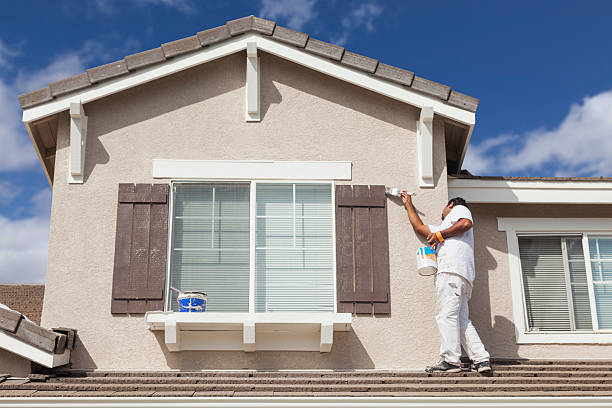
House Painter Painting the Trim And Shutters of Home Busy House Painter Painting the Trim And Shutters of A Home. House Painting stock pictures, royalty-free photos & images

When selecting paint for your project, it’s important to understand the key differences between interior and exterior paints. These two types of paint are designed to meet specific needs and perform differently depending on the environment they are used in. Below is a comprehensive explanation of how they differ.

Composition Differences

  • Made for indoor use, where exposure to extreme elements is minimal.
  • Typically crafted with fewer volatile organic compounds (VOCs), making it less toxic and more suitable for enclosed spaces.
  • Prioritizes washability, stain resistance, and ease of cleaning.
  • Contains fewer additives for durability since it does not face outdoor environmental stressors.
  • Designed to withstand harsh weather conditions such as rain, wind, UV rays, and temperature fluctuations.
  • Incorporates additives like mildewcides and fungicides to resist mold growth.
  • Contains higher levels of VOCs compared to interior paints due to its need for durability in open-air environments.
  • Features a flexible formula that can expand or contract with changing temperatures without cracking or peeling.

Key Performance Characteristics

Attribute Interior Paint Exterior Paint
Durability Resistant to scuffs and stains Resistant to weathering and fading
Finish Options Available in matte, eggshell, satin Often limited to semi-gloss or flat
Color Retention Retains color well indoors Contains UV-resistant pigments
Application Focus Designed for aesthetics Focused on protection

Application Environment

  • Interior Applications: Interior paints are ideal for walls, ceilings, trim work, and other surfaces inside your home. They create a smooth finish while offering options like glossy or low-sheen finishes depending on design preferences.
  • Exterior Applications: Exterior paint is applied on surfaces exposed to outdoor elements such as siding, fences, decks, or masonry structures. Its primary function is protective rather than decorative.

Factors To Consider When Choosing

  1. Assess whether the surface will be indoors or outdoors.
  2. Evaluate environmental factors such as humidity levels (for interiors) or extreme weather exposure (for exteriors).
  3. Prioritize safety—select low-VOC interior formulas if painting enclosed spaces.
  4. Consider longevity—ensure outdoor surfaces receive a durable coating that minimizes future maintenance.

By recognizing these distinctions between interior and exterior paint types, you can make informed decisions that enhance both the appearance and lifespan of painted surfaces while meeting specific functional requirements effectively.

Durability and Weather Resistance: Key Considerations When Hiring a Painter Orlando, FL

Choosing the right paint for your project involves more than just selecting the perfect color. Durability and weather resistance are critical factors to consider, especially when aiming for a long-lasting and visually appealing result. Whether you’re painting the interior or exterior of your home, understanding how paint performs under various conditions can help you make an informed decision.

Factors Influencing Paint Durability

  1. Acrylic Paint: Known for its flexibility and resistance to cracking, acrylic is a go-to option for areas exposed to varying temperatures.
  2. Oil-Based Paint: Offers a durable, hard finish but may yellow over time, especially indoors.
  3. Latex Paint: A popular choice due to its ease of application and strong adhesion properties.
  4. Surface Preparation
    Proper preparation ensures paint adheres well:
  5. Clean surfaces free from dirt and grease.
  6. Sand rough areas to create a smooth base.
  7. Apply primer where necessary to enhance adhesion.
  8. Finish Type
    The finish significantly impacts durability:
  9. Glossy Finishes: Highly durable and easy to clean; ideal for high-traffic areas like kitchens or bathrooms.
  10. Matte Finishes: Provide a sophisticated look but may show wear more quickly in busy spaces.

Exterior Paint Weather Resistance

Exterior paints endure harsh environmental conditions such as UV rays, rain, wind, and humidity. Selecting paints specifically formulated for outdoor use ensures better protection against these elements.

  • UV Resistance: Look for paints with UV-resistant pigments that prevent fading caused by prolonged sun exposure.
  • Mildew Resistance: Ensure the paint has additives that inhibit mildew growth in humid climates.
  • Waterproofing Properties: Opt for paints designed to repel water while allowing the surface beneath it to breathe.
Feature Exterior Paint Benefits
UV Protection Prevents color fading over time
Crack Resistance Maintains appearance despite temperature changes
Moisture Control Protects surfaces from water damage

Interior Paint Durability

While interior paints don’t face extreme weather conditions, they need resilience against everyday wear and tear. High-quality interior paints withstand scrubbing, staining, and scuffing without losing their luster.

  • For high-moisture areas like bathrooms or kitchens: Use mold-resistant paints designed specifically for humid environments.
  • For living rooms or bedrooms: Eggshell or satin finishes strike an excellent balance between durability and aesthetic appeal.

Tips for Enhancing Longevity

  1. Use high-quality brushes or rollers for even application.
  2. Avoid painting during extreme weather conditions (e.g., excessive heat or humidity).
  3. Apply at least two coats with adequate drying time in between.
  4. Maintain painted surfaces by cleaning them regularly with mild soap and water (for interiors) or pressure washing (for exteriors).

Ensuring that you prioritize durability and weather resistance not only enhances your home’s appearance but also reduces maintenance costs in the long term.

Eco-Friendly Paint Choices by Orlando Painters for a Healthier and Sustainable Home

When it comes to creating a healthier living environment while minimizing environmental impact, choosing eco-friendly paints is an essential step. These paints are specifically designed to reduce harmful substances and promote sustainability without compromising quality or durability. Let’s explore the various aspects of eco-friendly paint choices and how they can benefit both your home and the planet.

Key Features of Eco-Friendly Paints

  • Low or Zero Volatile Organic Compounds (VOCs): VOCs are chemicals that release harmful gases into the air, contributing to indoor air pollution. Eco-friendly paints contain low or zero VOCs, ensuring better air quality in your home.
  • Natural Ingredients: Many sustainable paints use natural materials such as clay, plant-based oils, chalk, or milk protein instead of synthetic chemicals.
  • Non-Toxic Pigments: Unlike conventional paints that may use heavy metals for coloration, eco-friendly alternatives employ non-toxic pigments derived from minerals or plants.
  • Biodegradable Formulas: These paints break down more easily over time, reducing landfill waste.

Benefits of Choosing Eco-Friendly Paints

  1. Improved Indoor Air Quality: Traditional paints can release toxins into the air long after application due to off-gassing. By choosing low-VOC or VOC-free options, you significantly reduce exposure to harmful pollutants inside your home.
  2. Safer for Families and Pets: Non-toxic formulations make these paints safer for children and pets who may be more vulnerable to chemical exposure.
  3. Reduced Environmental Impact: Sustainable production processes and biodegradable components lower the carbon footprint associated with these products.
  4. Enhanced Consumer Health Awareness: Using eco-friendly products demonstrates commitment toward healthier living habits and increased awareness about sustainability.

Common Types of Eco-Friendly Paints

Type Characteristics Ideal Use Cases
Low-VOC Paint Contains minimal volatile organic compounds General interior wall painting
Zero-VOC Paint Free from harmful chemical emissions Bedrooms, nurseries
Milk Paint Made from natural ingredients like milk protein (casein) Furniture refinishing, DIY projects
Plant-Based Paint Derived from renewable resources like soy oil Bathrooms, kitchens
Natural Clay Paint Composed of clay materials offering a rich matte finish Living rooms with rustic aesthetics

How to Identify Genuine Eco-Friendly Products

  • Green Seal Certification: Ensures products meet strict environmental standards for performance and safety.
  • Greenguard Certification: Recognizes items with low chemical emissions that contribute positively to indoor air quality.
  • LEED Compliance: Indicates adherence to Leadership in Energy and Environmental Design (LEED) guidelines promoting energy-efficient materials.

Happy couple communicating while choosing the right color for their wall. Young couple talking while choosing the right color for their wall in new apartment. House Painting stock pictures, royalty-free photos & images

Tips for Using Eco-Friendly Paint Effectively

  • Prep surfaces thoroughly before application—clean walls ensure better adhesion regardless of formula.
  • Use proper ventilation during painting (even with low-VOC choices) as some odor may still be present during application.
  • Avoid wasting leftover paint by storing it correctly or donating unused amounts.

Making thoughtful decisions about using eco-conscious materials like sustainable paint contributes not only toward creating healthier indoor spaces but also supports broader environmental conservation efforts.

Dust-Free Techniques for Superior Interior Painting Orlando Homes Will Love

Dust-free painting techniques have revolutionized the way homes are painted, focusing on delivering cleaner, smoother, and more professional finishes. By minimizing dust during the painting process, these methods ensure not only better aesthetics but also contribute to a healthier environment within your home.

Benefits of Dust-Free Painting Techniques

  • Improved Surface Quality: Without airborne dust settling on wet paint, surfaces achieve a smoother texture with fewer imperfections.
  • Healthier Indoor Air: Reduced dust particles in the air lead to improved indoor air quality, minimizing allergies or respiratory issues during and after the painting process.
  • Greater Longevity of Finishes: A clean surface ensures better paint adhesion, increasing durability and reducing the need for frequent touch-ups.
  • Streamlined Cleanup Process: Less dust means less cleanup time after completion, making it an efficient choice for homeowners.

Key Techniques for Achieving Dust-Free Painting

  1. Clean walls thoroughly by removing dirt and grease before starting.
  2. Lightly sand surfaces where necessary, using vacuum-equipped sanders to capture debris immediately.
  3. Use plastic sheeting or drop cloths to isolate work areas from other parts of your home.
  4. Consider employing portable air filtration systems to trap airborne particles during sanding or spraying.
  5. Invest in high-quality brushes and rollers designed to reduce shedding fibers while painting.
  6. Use sprayers equipped with built-in filters that prevent clogging caused by fine debris.
  7. Opt for orbital sanders connected to HEPA (High-Efficiency Particulate Air) vacuums. These systems extract most of the dust generated during surface preparation.
  8. Keep windows open or use exhaust fans strategically placed to promote airflow while containing dust within designated areas.

Tools Comparison Table for Dust Reduction

Tool/Technique Purpose Effectiveness Level
HEPA Vacuum Sander Captures fine sanding debris High
Air Filtration System Reduces airborne particulates Medium
Plastic Sheeting & Drop Cloths Contains localized mess Medium
Microfiber Cleaning Cloths Removes residual surface dust Low

Enhancing Aesthetics Through Cleaner Finishes

  • Ensures uniform color application without disruptions such as specks or streaks.
  • Highlights intricate details in trim work or cabinetry due to a flawless surface finish.
  • Creates a polished look that elevates your home’s overall design aesthetic.

By incorporating these techniques into your next project, you’ll not only achieve high-quality results but also enjoy a safer and more comfortable environment throughout the process.

Transform Your Kitchen Cabinets with Modern Elegance: Tips from a Painting Company Orlando

When it comes to giving your kitchen a fresh and modern look, updating your cabinet colors is one of the most effective and impactful ways to transform the space. With ever-changing design trends, embracing the latest color palettes can bring sophistication, warmth, or boldness to your kitchen while keeping the aesthetic timeless. Below is an exploration of current trends in kitchen cabinet colors that can elevate your home.

Neutral Tones for a Timeless Look

  • Warm Whites: Creamy whites create a soft yet bright appearance in kitchens, adding warmth without overpowering the space.
  • Greige: A blend of gray and beige that’s ideal for kitchens aiming for a modern yet cozy feel.
  • Taupe: This understated tone adds subtle depth while maintaining neutrality.

These shades work particularly well in kitchens where natural light is abundant or when paired with contrasting dark surfaces.

Bold and Dramatic Shades

  • Deep Navy Blue: This rich color creates an elegant atmosphere, especially when paired with brass or gold hardware.
  • Forest Green: A sophisticated choice that works wonderfully with white countertops or natural wood accents.
  • Charcoal Gray: Ideal for modern homes seeking a minimalist yet dramatic effect.

Bold tones are ideal for homeowners who want cabinets to serve as focal points within their kitchens.

Two-Tone Cabinetry

Upper Cabinets Lower Cabinets Effect
White Navy Blue Brightens the space while adding depth below
Light Gray Charcoal Creates subtle contrast for a refined look
Soft Beige Olive Green Combines warmth with natural tones

This approach allows homeowners to experiment with color while maintaining balance within the overall design.

Soft Pastels Gaining Popularity

  • Blush Pink
  • Sky Blue
  • Mint Green

These soft hues pair well with both neutral backdrops and metallic accents like chrome or brushed nickel hardware.

Finishes That Enhance Cabinet Colors

  1. Matte Finish – Provides a sleek look that minimizes glare but may require more cleaning.
  2. Satin Finish – Strikes a balance between shine and durability.
  3. Glossy Finish – Reflects light beautifully, making small spaces feel larger but shows fingerprints more easily.

Final Thoughts on Choosing the Right Cabinet Color

Selecting the perfect cabinet color depends on factors such as lighting, existing decor elements, and personal style preferences. By staying aware of current trends like two-tone cabinetry or deep hues balanced by neutral finishes, you can create an inviting space that combines modern elegance with functionality—a true reflection of your taste and lifestyle needs.


How Often Should You Use Orlando Painting Services to Keep Your Walls Fresh and Beautiful

Male hand painting wall with paint roller. Painting apartment, renovating with red color paint Male hand painting wall with paint roller. Painting apartment, renovating with red color paint House Painting stock pictures, royalty-free photos & images

Maintaining the appearance of your walls not only enhances the aesthetic appeal of your home but also protects the surfaces from wear and tear. Over time, factors like dirt, fingerprints, and fading can dull the vibrancy of your paint. Knowing how often to repaint helps keep your walls looking fresh and ensures a welcoming environment.

General Repainting Timeline

  • Living Rooms and Dining Rooms: Every 5–7 years. These spaces typically experience less physical wear compared to high-traffic areas. However, if you frequently rearrange furniture or have young children or pets, you may notice scuff marks that require earlier attention.
  • Bedrooms: Every 5–7 years for adult bedrooms; however, children’s bedrooms often need repainting every 3–4 years due to increased activity and potential wall damage.
  • Hallways and Corridors: Every 2–3 years. These areas experience heavy foot traffic and are prone to scratches, dents, and fingerprints.
  • Kitchens and Bathrooms: Every 3–4 years. The heat, moisture, and grease in kitchens can cause paint to deteriorate quickly. Similarly, bathrooms are exposed to high humidity levels that can lead to peeling if not repainted regularly with proper finishes.

Signs It’s Time To Repaint

Even if you’re following a general timeline for repainting your walls, certain signs indicate it’s time for an update: – Fading or discoloration caused by sunlight exposure. – Peeling or cracking paint due to poor ventilation or aging layers. – Visible stains or marks that cannot be cleaned effectively. – A shift in design preferences where you want a new color or style.

Benefits of Timely Painting

Repainting on an appropriate schedule offers more than just aesthetic value: 1. Protection Against Damage: Fresh paint acts as a barrier against moisture intrusion that could otherwise lead to mold growth or wall deterioration. 2. Improved Air Quality: High-quality modern paints often emit fewer volatile organic compounds (VOCs), which contributes to healthier indoor air. 3. Increased Property Value: Updated interiors with clean finishes make homes more appealing during resale.

Room Type Recommended Frequency Key Considerations
Living/Dining Rooms Every 5–7 years Lower traffic; focus on maintaining colors that complement furnishings
Bedrooms Every 3–7 years Depends on age group using the space (adult vs kids)
Hallways Every 2–3 years High foot traffic; select durable finishes
Kitchens/Bathrooms Every 3–4 years Exposure to heat/moisture requires durable specialty paints

Keeping these guidelines in mind will help ensure your walls remain vibrant and damage-free over time while enhancing your home’s overall appearance. Regular upkeep through painting is an investment that yields both practical and visual benefits for any living space.

How a Painter Orlando, FL Recommends Deciding When to Repaint Your Walls

Repainting your walls is not just about refreshing the look of your home—it also helps maintain the condition and durability of your interior spaces. However, how often you need to repaint depends on several factors. Below, we explore the key elements that influence repainting frequency.

1. Type of Room and Its Usage

Different rooms experience varying levels of activity and wear, which can affect how long the paint lasts:
High-Traffic Areas: Rooms such as hallways, kitchens, and children’s bedrooms are prone to scuffs, stains, and dirt, requiring more frequent touch-ups or repainting—typically every 2–4 years.
Low-Traffic Areas: Spaces like guest rooms or formal dining areas experience minimal activity and may not need repainting for 5–7 years.

2. Quality of Paint Used

The longevity of your paint job depends heavily on the quality of paint chosen:
Premium Paints: High-quality paints often have better pigmentation and durability, lasting longer without chipping or fading.
Economy Paints: Lower-grade paints may require more frequent updates as they tend to wear out faster under regular use.

Paint Type Lifespan Estimate Maintenance Needed
High-quality latex 5–10 years Minimal touch-ups
Oil-based paint Up to 10 years Occasional cleaning
Low-cost latex 3–5 years Frequent upkeep

3. Exposure to Sunlight

Excessive sunlight exposure can cause fading over time. Rooms with large windows or a lot of natural light may require repainting sooner than darker spaces shielded from UV rays. To minimize this issue:
– Use UV-resistant paint for sunlit areas. – Install window treatments such as blinds or curtains.

4. Environmental Conditions

The climate in which you live can also impact your walls: – High Humidity: Moisture can cause peeling, bubbling, or mildew growth on painted surfaces in bathrooms or basements. Ensure proper ventilation to combat these issues. – Dry Climates: Over time, dry conditions can lead to cracking if the paint becomes brittle.

5. Color Choice

Certain colors show wear more quickly than others: – Light shades such as white or beige are prone to showing stains and dirt. – Darker hues may hide imperfections but are more likely to fade when exposed to sunlight.

If you want a lasting finish with minimal upkeep:
1. Opt for neutral mid-tone colors. 2. Choose washable finishes like satin or semi-gloss for easy maintenance.

Tips for Extending Your Paint’s Lifespan

To minimize how often you need to repaint your walls:
– Clean surfaces regularly using a mild detergent and soft cloth. – Address minor damages (e.g., chips or scratches) promptly with touch-up paint. – Invest in high-quality primers before applying top coats for better adhesion and durability.

Understanding these factors will help you make informed decisions about maintaining your walls’ appearance while optimizing time between repaints.

How Often Should You Hire Orlando Painters for Each Room in Your Home

The frequency at which you repaint your walls depends largely on the specific function and activity level of each room. Different spaces in your home endure varying degrees of wear and tear, which can affect the appearance and durability of paint over time. Below is a detailed guide to help you determine how often you should repaint the walls in each area of your home.

Living Room and Dining Room

Living rooms and dining rooms are generally low-traffic areas, making them less susceptible to damage. However, these spaces are often focal points in a home, so maintaining their aesthetic appeal is important.

  • Recommended Repainting Frequency: Every 5–7 years
  • Opt for high-quality paint with good washability to keep walls looking fresh.
  • Consider neutral or timeless colors for these spaces to reduce frequent repainting due to changing trends.

Apartment During Renovation. Home improvement concepts Apartment During Renovation. Home improvement concepts House Painting stock pictures, royalty-free photos & images

Bedrooms

Bedrooms tend to have lower activity levels compared to other areas in the house, except for children’s rooms, which may experience more wear and tear.

  • Adult Bedrooms: Repaint every 5–10 years, as they are typically low-impact areas with minimal scuffing or stains.
  • Children’s Bedrooms: Repaint every 3–5 years due to higher levels of activity like drawing on walls or accidental scratches.

Kitchens

Kitchens are high-use spaces that are exposed to grease, steam, humidity, and stains from cooking activities. Walls in kitchens can accumulate grime more quickly than other rooms.

  • Recommended Repainting Frequency: Every 3–5 years
  • Additional Tips: Use durable, washable paints with a satin or semi-gloss finish that resists moisture and staining.

Bathrooms

Bathrooms also experience high humidity levels and frequent usage. This environment can lead to mold growth or peeling paint if not properly maintained.

  • Recommended Repainting Frequency: Every 3–4 years
  • Key Solution: Choose mold-resistant paint designed specifically for humid areas to extend the lifespan of the finish.

Hallways and Corridors

Hallways are some of the most frequently used spaces within a home. They are prone to scuff marks from foot traffic, furniture movement, or children playing.

  • Recommended Repainting Frequency: Every 2–3 years
  • Consider painting hallways with durable finishes like eggshell or satin.
  • Touch up minor scuffs between full paint jobs to prolong their clean appearance.

Ceilings

While ceilings tend not to require frequent painting compared to walls, they can become dull over time due to dust accumulation or moisture issues. Stains from leaks may also necessitate touch-ups sooner than expected.

  • Flat ceilings: Every 10 years (or sooner if there is visible discoloration).
  • Textured ceilings (like popcorn): Repaint as needed based on condition since texture hides imperfections longer than flat surfaces.
Room Type Recommended Frequency Additional Tips
Living/Dining Every 5–7 years Use neutral colors for long-lasting style
Bedrooms Adult: Every 5–10 yrs; Children: Every 3–5 yrs Durable finishes help withstand activity
Kitchen Every 3–5 years Use stain-resistant paints
Bathroom Every 3–4 years Mold-resistant paints recommended
Hallways Every 2–3 years Touch up between full jobs
Ceilings Flat: ~10 yrs; Textured: As needed Look out for discoloration

By following these guidelines tailored specifically for different areas of your home, you can keep your living space visually appealing while protecting surfaces from long-term damage caused by everyday use.

How Heat and Humidity Impact Interior Painting Orlando Projects

Heat and humidity can significantly affect the durability of paint, influencing how long your walls maintain their fresh appearance. Understanding these impacts and taking preventative measures can extend the lifespan of your paint job, saving you time and money in the long term.

The Effects of Heat on Paint

  • Faster Drying Time During Application: When painting in high heat, the paint may dry too quickly on the surface before it properly adheres to the wall. This can result in uneven finishes or cracks.
  • Paint Fading: Extended exposure to intense sunlight and heat often causes colors to fade over time, particularly with darker shades. Lighter colors tend to be more resistant but are not entirely immune.
  • Peeling Paint: Prolonged heat can cause the layers of paint to expand and contract, leading to cracks or peeling over time.

The Role of Humidity in Paint Durability

  • Delayed Drying Time During Application: High humidity slows down the drying process because moisture from the air interferes with proper evaporation, leaving a sticky or uneven finish.
  • Mold and Mildew Growth: In damp or humid environments, mold and mildew are more likely to grow on painted surfaces, especially if improper preparation (like lack of primer) was done beforehand.
  • Blistering: Elevated humidity can lead to trapped moisture under the surface of your wall’s paint layer, causing unsightly bubbles or blisters.
Condition Potential Impact Solution
High Heat Faded colors, peeling, cracking Use high-quality UV-resistant paints
Excess Humidity Mold growth, delayed drying time Ensure surfaces are clean & dry before applying

Tips for Mitigating Heat and Humidity Issues

  1. Choose Weather-Appropriate Paints
    Opt for paints specifically designed for extreme climates. UV-resistant paints are ideal for hot regions while mildew-resistant formulas work well for humid areas.
  2. Control Indoor Climate During Painting
    Maintain an indoor temperature between 50°F–85°F (10°C–29°C) with moderate humidity levels when applying interior paint.
  3. Apply Proper Primer Layers
    Use primers that create a solid foundation for new paint while offering added protection against moisture infiltration.
  4. Regular Maintenance Checks
    Inspect high-humidity areas like bathrooms or kitchens regularly for signs of mold growth or blistering on painted surfaces.
  5. Invest in Quality Ventilation Systems
    For humid spaces such as basements or laundry rooms, ensure good airflow with fans or dehumidifiers to prevent excess moisture buildup.

By understanding how heat and humidity impact paint durability—and taking proactive steps during application—you can achieve long-lasting results that keep your walls looking fresh despite environmental challenges.

Transform Your Space with the Leading Painting Company Orlando Offers

When it comes to painting your home, achieving a long-lasting and high-quality finish requires more than just selecting the right paint color. Professional painting services offer expertise, tools, and techniques that can make a significant difference in both the appearance and durability of your walls. Below are key insights into how professional painters can help you attain a superior result that stands the test of time.

Benefits of Hiring Professional Painting Services

  1. Surface preparation is crucial for paint adherence and longevity. Professionals carefully clean, sand, patch, and prime surfaces to create an ideal base for painting.
  2. They address issues such as cracks, holes, or peeling paint before applying new coats.
  3. Professional painters use premium paints and finishes that often outperform lower-grade options in terms of durability.
  4. They select appropriate products based on your specific needs (e.g., moisture-resistant paint for bathrooms or fade-resistant exterior paints).
  5. With their training and experience, professional painters apply paint evenly without streaks or roller marks.
  6. Advanced tools such as sprayers, high-quality brushes, and rollers ensure consistency.
  7. A professional team works efficiently while minimizing disruptions to your daily routine.
  8. Their streamlined processes mean quicker project completion compared to DIY efforts.
  9. While hiring professionals may seem costlier initially, their attention to detail can prevent costly repairs or repaints in the future.
  10. Proper application extends the lifespan of your painted surfaces.

The house painter Repair of a building House Painting stock pictures, royalty-free photos & images

Steps Professionals Take To Ensure Longevity

Step Purpose Example Actions
Inspection Assess surface condition Identifying moisture damage or areas needing repair
Surface Preparation Create a stable base for painting Sanding, priming, cleaning
Product Selection Choose appropriate paints/finishes Using mold-resistant paint for bathrooms
Application Deliver smooth coverage without imperfections Applying multiple even coats
Final Touches Ensure flawless appearance Touch-ups on edges or trim work

By investing time into each stage of this process, professionals deliver results that often exceed expectations.

Tips For Prolonging Your Paint Job’s Life

  • Clean Regularly: Dust walls gently with a microfiber cloth to prevent buildup over time. Use mild soap and water for stains while avoiding abrasive cleaners.
  • Control Humidity: Invest in dehumidifiers or ventilation solutions in damp areas like bathrooms.
  • Avoid Excessive Sunlight Exposure: Use curtains or blinds to reduce UV ray exposure that causes fading.
  • Repair Minor Damage Promptly: Fix chips or scratches early before they worsen.

Enlisting professional painting services is an invaluable way to achieve lasting beauty and protection for your walls. Leveraging their expertise ensures not only flawless aesthetics but also cost-efficiency over time by reducing the need for frequent repainting projects.

Achieve A Long-Lasting Paint Job With Professional Painting Services

When it comes to maintaining the beauty and longevity of your home’s painted surfaces, investing in professional painting services can make a significant difference. Skilled painters not only provide high-quality results but also ensure that the paint job stands the test of time. Below is a comprehensive guide to understanding why professional painting services are worth considering and how they contribute to a durable finish.

Benefits of Hiring Professional Painters

  1. Expertise and Skill
    Professional painters bring years of experience, ensuring that every step of the painting process is completed with precision. From surface preparation to applying the final coat, their expertise reduces common errors like uneven finishes, peeling, or streak marks.
  2. Access to High-Quality Materials
    Professionals use premium-grade paints and tools designed for durability and aesthetics. They also have insider knowledge about which products work best for specific surfaces or environments, such as moisture-resistant paint for bathrooms or fade-resistant coatings for sunlit rooms.
  3. Proper Surface Preparation
    A long-lasting paint job starts with thorough preparation:
  4. Cleaning walls to remove dust and grease
  5. Filling cracks or holes
  6. Sanding surfaces for better adhesion By entrusting this work to experts, you ensure the new coat adheres properly and lasts longer.
  7. Efficiency and Time Savings
    Painting an entire home can be time-consuming without proper tools or experience. Professionals complete projects efficiently while maintaining quality standards, freeing up your time for other priorities.
  8. Warranty Coverage
    Many professional painting companies offer warranties on their work. This guarantees repairs or touch-ups if issues arise within a specified timeframe, providing peace of mind regarding your investment.

Tips To Extend The Life Of Your Paint Job

  • Regular Cleaning: Wipe down walls occasionally with a damp cloth or mild soap solution to remove dirt buildup without damaging the finish.
  • Avoid Scratches: Be mindful when moving furniture to prevent accidental scuffs.
  • Control Humidity Levels: Use dehumidifiers in moisture-prone areas such as bathrooms or basements.
  • Inspect Annually: Look out for signs of wear such as peeling or discoloration; addressing these early prevents further damage.

Comparison: DIY vs Professional Painting Services

Feature DIY Approach Professional Services
Skill Level Required Moderate-to-high Expert-level
Time Investment High Low (handled by contractors)
Material Costs Lower (can vary) Higher (includes premium materials)
Quality Consistency Varies based on experience Consistently high
Risk of Mistakes High Minimal
Long-Term Durability Moderate High

When Should You Consider Professional Services?

Certain circumstances call for hiring professionals over attempting a DIY project:
– Large-scale projects involving multiple rooms
– Homes with textured walls or intricate architectural details requiring precision
– Repainting older homes where lead-based paint might be present (professionals are trained in handling hazardous materials safely)
– Situations where time constraints make DIY impractical

By combining professional painting services with proper care and maintenance practices, you can achieve beautiful interiors that remain vibrant over time while saving yourself stress and effort in the long run.

A Guide to Choosing the Best White Paint for Your Living Spaces

Choosing the best white paint for your living spaces can feel overwhelming due to the vast range of options available. From warm to cool undertones, finishes, and lighting considerations, several factors influence how white paint will appear in your home. This guide breaks down key aspects to consider when selecting the perfect white shade for your space.

Understand Undertones

White paint is never just pure white—it carries subtle undertones that can drastically alter its appearance in a room.

  • Warm Undertones: Whites with yellow, red, or beige undertones create a cozy and inviting atmosphere. These shades work well in living rooms or bedrooms where a softer ambiance is desired.
  • Cool Undertones: Whites with blue, green, or gray undertones offer a crisp and clean vibe. They are ideal for modern designs or spaces with ample natural light.
  • Neutral Undertones: For versatility, opt for whites with balanced undertones that adapt well to various lighting conditions and decor styles.

Consider Lighting Conditions

  • Natural Light: Evaluate how much sunlight enters the room and its direction (north-facing rooms may make whites appear cooler; south-facing rooms enhance warmth).
  • Artificial Lighting: LED or incandescent bulbs impact paint color temperature differently, so test samples under your predominant artificial light source.
  • Time of Day Variations: Observe how test swatches shift from morning to night in your space.

Select an Appropriate Finish

Finish Type Characteristics Best Used In
Matte/Flat Non-reflective; hides wall imperfections Bedrooms, ceilings
Eggshell Soft sheen; easy to clean Living rooms, hallways
Satin Slightly glossy; highly durable Kitchens, bathrooms
Semi-gloss Reflective; resists moisture Trim work, doors
High-gloss Ultra-reflective; bold statement Accent walls, furniture pieces

Test Before Committing

  1. Purchase small sample pots of 2–3 shades you’re considering.
  2. Paint large swatches (at least 2’x2’) on multiple walls within the room.
  3. Evaluate appearance under different lighting scenarios over several days before finalizing.

Popular Shades of White Paint

  • Benjamin Moore – Chantilly Lace: A clean and neutral true white.
  • Sherwin-Williams – Alabaster: A soft warm white suited for most interiors.
  • Farrow & Ball – All White: Bright yet understated without strong undertones.
  • Behr – Polar Bear: Slightly warm with a touch of softness.

Matching White Paint to Decor Style

  • Modern minimalist interiors benefit from cooler whites paired with sleek metal accents.
  • Farmhouse aesthetics lean towards warmer whites that complement wooden textures.
  • Neutral whites provide flexibility when mixing contemporary and classic pieces.

Carefully considering these factors will help you find the ideal shade of white paint tailored to your living spaces while enhancing their aesthetic appeal and functionality.


How Often Should You Use Orlando Painting Services for Your House Walls and What Factors Influence Repainting Frequency

Cheerful Woman Painting Wall with Paint Roller Smiling female person painting wall in light brown color with paint roller House Painting stock pictures, royalty-free photos & images

Painting the walls of your home is not just about aesthetics—it also preserves the structural integrity of your space and ensures a healthy living environment. However, determining how often to repaint can depend on several factors, ranging from the condition of your walls to the type of paint used. Here’s an in-depth look at repainting frequency and what influences it.

General Guidelines for Repainting Frequency

The frequency of repainting typically varies depending on the location and purpose of each space in your house.
Living Room & Dining Room:Every 5-7 years. These areas tend to have less wear and tear compared to other spaces but may need updating based on color trends or fading.
Bedrooms:
Adult Bedrooms:Every 5-10 years, as they are low-traffic spaces.
Children’s Bedrooms:Every 2-3 years due to potential markings, stains, or wall damage caused by kids’ activities.
Kitchen & Bathroom:Every 3-4 years because these rooms experience high humidity, grease buildup (in kitchens), and frequent cleaning cycles that can wear down paint quickly.
Hallways & Corridors:Every 2-3 years due to high foot traffic and frequent scuff marks on walls.

External Factors Influencing Repainting Needs

  1. Room Usage: Areas with heavy traffic or frequent use usually require more maintenance than less-used spaces.
  2. Example: A hallway will likely need repainting more often than a guest bedroom.
  3. Quality of Paint: Higher-quality paints last longer due to superior pigmentation and binding agents, reducing the frequency with which you’ll need touch-ups or repaints.
  4. Paint Finish: The finish you choose will affect durability:
  5. Flat/Matte Finish: Great for hiding imperfections but less durable; best suited for lower-use rooms.
  6. Eggshell/Satin Finish: A balance between durability and appearance—ideal for living rooms and bedrooms.
  7. Semi-gloss/Gloss Finish: Highly durable and moisture-resistant; ideal for bathrooms, kitchens, or trim work.
  8. Humidity levels in bathrooms may lead to quicker wear than in dry areas like a dining room.
  9. Sunlight exposure can cause colors to fade over time in well-lit rooms with large windows.
  10. Regular cleaning methods—especially scrubbing—can wear away paint layers.
  11. Cracks, peeling paint, or water damage may necessitate earlier repainting regardless of standard timelines.

Proactive Ways To Extend Paint Life

Taking preventive measures can help extend the life of your painted walls: – Use washable paints in high-traffic areas prone to dirt accumulation (e. g. , staircases, entryways). – Address signs of dampness immediately to prevent paint from bubbling or cracking. – Protect easily scratched surfaces with furniture guards or wall protectors.

Table Summary: Repainting Frequency by Room Type

Room Type Recommended Repainting Frequency Key Considerations
Living Room Every 5–7 years Low traffic; dependent on trends
Adult Bedrooms Every 5–10 years Minimal markings
Children’s Bedrooms Every 2–3 years High activity; prone to damage
Kitchen Every 3–4 years Grease buildup; frequent cleaning
Bathroom Every 3–4 years High humidity levels
Hallways Every 2–3 years Frequent scuff marks

Understanding these timelines alongside influential factors allows homeowners to plan their painting projects strategically while maintaining a fresh and functional appearance throughout their home’s interiors.

Room-by-Room Recommendations from a Painter Orlando, FL for Repainting Based on Function and Usage

Repainting your home isn’t just about aesthetics—it’s also about maintaining the functionality of your space. Different rooms in your house have varying levels of activity, exposure to wear and tear, and environmental conditions. These factors influence how often they need to be repainted. Below is a detailed guide providing room-by-room recommendations for repainting based on usage.

Living Room or Family Room

The living or family room is a central gathering space in most homes. While it may not experience as much physical wear as other areas, it can show signs of aging due to foot traffic, furniture movement, and dust accumulation.

Recommendations: – Repaint every 5–7 years, assuming no major stains or damage.high-quality washable paintto keep walls looking fresh with minimal effort. – Neutral tones like beige, gray, or muted greens are common choices for creating a timeless look.

Bedrooms

Bedrooms generally experience less wear and tear compared to other areas of the home. This makes them ideal candidates for longer repainting intervals unless there are specific needs or updates desired by the occupants.

Recommendations: – Adult Bedrooms: Repaint every 5–10 years, as these spaces typically remain low-traffic zones.3–5 years, due to potential scribbles, dents, or scratches caused by active play.eggshell or satin, especially in children’s rooms where walls may require frequent cleaning.

Kitchen

Kitchens endure heavy use and are subject to grease splatters, food stains, water damage near sinks, and general humidity changes from cooking activities.

Recommendations: – Plan for painting every 3–5 years, depending on how frequently you cook and clean.semi-gloss finish—that’s resistant to moisture and easy to clean.

Bathroom

Bathrooms are high-moisture environments that demand special consideration when selecting paints and determining repaint frequency. Over time, paint may peel or develop mildew if not maintained properly.

Recommendations: – Repaint every 3–4 years, as bathrooms encounter steam, humidity fluctuations, and potential water contact.satin or semi-gloss finishfor longevity.

Hallways and Corridors

Hallways often experience significant scuffing due to foot traffic, moving furniture, and luggage bumps against walls. This area tends to show wear more quickly than others.

Recommendations: – Freshen up hallways approximately every 2–3 years, particularly if the walls are light-colored. – Use durable paints such as those with a matte finish that hides imperfections well while still being washable.

Dining Rooms

Dining rooms may not see heavy physical activity but could require touch-ups due to occasional spills or decor changes over time.

Recommendations: – Repaint once every 5–8 years, unless specific incidents necessitate earlier action.

Summary Table for Orlando Painters

Room Type Recommended Frequency Suggested Paint Finish
Living/Family Room 5–7 years Washable matte/eggshell
Adult Bedrooms 5–10 years Eggshell
Kids’ Bedrooms 3–5 years Satin
Kitchen 3–5 years Semi-gloss
Bathroom 3–4 years Satin/Semi-gloss (mold-resistant)
Hallways 2–3 years Matte
Dining Room 5–8 years Eggshell

By tailoring your painting schedule based on each room’s unique needs, you can maintain both functionality and appearance throughout your home efficiently.

Room-by-Room Recommendations for Interior Painting Orlando Based on Function and Usage

Repainting your house is not always a one-size-fits-all task. Each room in your home serves a different purpose and endures varying levels of wear and tear, which directly impacts the frequency and type of painting required. Below is a guide outlining room-by-room recommendations to help you determine how often you should repaint each space based on its function, traffic, and usage.

Living Room and Dining Room

Living rooms and dining spaces are often central to entertaining guests. While these rooms may not experience heavy daily wear like other areas, they still require periodic maintenance to maintain their aesthetic appeal.

Recommendations:Repainting Frequency:Every 5-7 years.Factors:Consider repainting sooner if the paint fades due to sunlight exposure or if the walls experience scuff marks from furniture or decor adjustments.Paint Type:Opt for washable paints with an eggshell or satin finish for durability without too much shine.

Male painter painting a ceiling One man, mature male house painter standing on a ladder and painting a ceiling with paint roller, indoors in a house. House Painting stock pictures, royalty-free photos & images

Kitchen

The kitchen is one of the busiest rooms in any home. It faces exposure to heat, moisture, grease splatters, stains, and constant cleaning. Paint in this area often deteriorates faster than other spaces.

Recommendations:Repainting Frequency:Every 3-5 years.Factors:Stains, food splatters, steam buildup, and regular cleaning can cause discoloration or peeling over time.Paint Type:Use durable semi-gloss or satin finishes that are easy to clean and resistant to moisture.

Bathroom

Bathrooms face high humidity and frequent temperature fluctuations that can lead to peeling or mold growth if the walls aren’t properly protected.

Recommendations:Repainting Frequency:Every 3-4 years.Factors:Look for signs such as mildew growth, chipping paint near sink areas, or bubbling paint caused by moisture.Paint Type:Use mildew-resistant paints with semi-gloss finishes for maximum protection against humidity.

Bedrooms

Bedroom walls experience relatively less wear compared to kitchens or bathrooms. However, children’s bedrooms may need more frequent attention due to spills, drawings on walls, or scuff marks from playtime activities.

Recommendations:1.Adult Bedrooms:– Repaint every 7-10 years unless you want a fresh look sooner. – Apply matte or eggshell finishes for a calm appearance. 2.Children’s Bedrooms:– Repaint every 3-5 years based on visible wear from creative use (e. g. , crayon marks). – Choose washable paints with satin finishes for easy upkeep.

Hallways and Corridors

Hallways are high traffic zones where dirt accumulation, scuffing from shoes or bags, and fingerprints are common issues. These areas often require more frequent repaints than other parts of the house.

Recommendations:Repainting Frequency:Every 2-4 years depending on traffic levels.Factors:Pay attention to scratches along lower walls caused by shoes or bags being dragged against them.Paint Type:Durable semi-gloss paints work well as they resist dirt more effectively than matte options while still being touch-up friendly.

Home Office

A home office typically has controlled usage but may require updating when styles change or if there’s visible fading from sunlight exposure over time.

Recommendations:Repainting Frequency:Every 5+ years unless redecorating is desired sooner.Factors:Fading colors caused by prolonged sunlight exposure near windows should prompt earlier updates if necessary.

Repainting Frequency Recommendations by Room from a Trusted Painting Company Orlando

Room Type Recommended Repaint Interval Best Paint Finish
Living & Dining Rooms 5–7 Years Eggshell/Satin
Kitchen 3–5 Years Semi-gloss/Satin
Bathroom 3–4 Years Mildew-resistant Semi-gloss
Adult Bedrooms 7–10 Years Matte/Eggshell
Children’s Bedrooms 3–5 Years Washable Satin
Hallways 2–4 Years Semi-gloss
Home Office 5+ Years Eggshell/Matte

By tailoring your repainting schedule based on function and usage patterns in each room of your home, you can extend the life of your interior paint while maintaining a visually appealing environment year-round.

Impact of Paint Types and Finishes on Durability and Repainting Needs

The type of paint and finish you choose for your walls has a direct impact on how long the paint job lasts, how it resists damage, and how often you’ll need to repaint. Carefully selecting paint types and finishes tailored to each space in your home can save you time, effort, and money in the long run. Let’s explore these factors in detail.

Types of Paint: How They Influence Durability

  • Latex Paint
    Latex or water-based paints are widely used for interiors due to their ease of application, quick drying times, and low volatile organic compound (VOC) levels. They are durable enough for most spaces but may not be as resistant to wear and tear as other options in high-traffic areas.
  • Oil-Based Paint
    Oil-based paints are more hard-wearing compared to latex paints. They tend to offer a smoother finish with better resistance to moisture, making them ideal for areas like bathrooms or kitchens. However, they emit higher VOC levels during application and take longer to dry.
  • Acrylic Paint
    Acrylic paints fall under the category of latex paints but contain more acrylic resins for enhanced durability. They work well in rooms exposed to sunlight or extreme temperatures because they resist fading.
Paint Type Durability Ideal For
Latex Moderate Bedrooms, living rooms
Oil-Based High Bathrooms, kitchens
Acrylic High Sunrooms, exterior spaces

Paint Finishes: Choosing the Right One

The finish you select also plays a significant role in the longevity of your wall paint.

  • Flat/Matte Finish
    This non-reflective finish is great at hiding imperfections but is susceptible to stains and difficult to clean. Best suited for low-traffic areas like ceilings or adult bedrooms.
  • Eggshell Finish
    Slightly more durable than matte, eggshell finishes are easier to clean while still offering a subtle sheen. A popular choice for dining rooms and living spaces.
  • Satin Finish
    Satin strikes a balance between durability and appearance. It is resistant to moisture, making it ideal for kitchens or bathrooms.
  • Semi-Gloss Finish
    Highly durable with good moisture resistance, this finish works well in high-humidity areas such as laundry rooms or trim work.
  • High Gloss Finish
    The most durable but reflective option; it’s perfect for doors or cabinets where frequent cleaning is required.
Finish Type Durability Rating (1–5) Best Applications
Flat/Matte 2 Ceilings, low-use bedrooms
Eggshell 3 Living rooms
Satin 4 Bathrooms, family rooms
Semi-Gloss 5 Kitchens
High Gloss 5 Doors, trim

Factors That Influence Repainting Needs

  1. Sunlight Exposure: Rooms with direct sunlight may experience quicker fading.
  2. Traffic Levels: High-touch areas (e. g. , hallways) see more wear.
  3. Moisture Levels: Bathrooms require mildew-resistant paint due to humidity.
  4. Maintenance Habits: Regular cleaning using the wrong products can wear down even durable finishes.

By carefully evaluating your space’s requirements alongside the right type of paint and finish, you can extend the life of your walls while minimizing maintenance needs over time.

Addressing this problem promptly not only enhances the appearance of your walls but also prevents further damage. Below is a step-by-step guide to fixing peeling or flaking paint effectively.

Before starting the repair process, it is critical to understand why the paint is peeling.

  • Moisture Issues: Check for leaks in plumbing or excessive humidity levels in the area.
  • Poor Surface Preparation: The absence of priming or cleaning before painting can lead to poor adhesion.
  • Low-Quality Paint: Inferior paints are more prone to flaking and peeling over time.
  • Aging Paint Layers: Older layers of paint might no longer adhere properly to the wall surface.

Address any underlying issues before moving forward with repairs.

Step 1: Gather Tools and Materials

  • Scraper or putty knife
  • Sandpaper (medium and fine grit)
  • Clean cloths or sponges
  • Primer (bonding primer for better adhesion)
  • High-quality interior wall paint
  • Paintbrushes, rollers, or sprayers (depending on preference)

Happy Couple Painting a Wall with a Paint Roller Happy Couple Painting a Wall with a Paint Roller. Selective focus on roller House Painting stock pictures, royalty-free photos & images

Step 2: Prepare the Affected Area

Proper preparation ensures long-lasting results.

  1. Use drop cloths or plastic sheets to cover floors and furniture near the affected wall.
  2. Tape off trim, baseboards, and adjacent surfaces.
  3. Use a scraper or putty knife to gently remove all loose and flaking paint.
  4. Be careful not to gouge the underlying surface.
  5. Smooth out uneven edges between peeling areas and intact paint using medium-grit sandpaper.
  6. Finish with fine-grit sandpaper for a seamless transition.
  7. Wipe down the wall with a damp cloth or sponge to remove dust and debris from sanding.
  8. Allow it to dry completely before proceeding.

Step 3: Prime the Wall

  • Select an appropriate primer based on your surface type (e. g. , drywall-specific primer).
  • Apply a thin coat evenly across the affected area using a brush, roller, or spray applicator.
  • Let it dry fully according to manufacturer instructions before applying paint.

Step 4: Apply Fresh Paint

  1. Choose high-quality interior wall paint with durability suited for your space’s needs (e. g. , washable paints for high-use areas).
  2. Use even strokes with a brush for smaller areas.
  3. Rollers work best for larger sections of walls.
  4. Allow sufficient drying time between coats as recommended by the manufacturer.

Preventative Tips for Avoiding Future Peeling

  1. Use dehumidifiers in humid environments.
  2. Regularly check pipes and roofs for leaks near painted surfaces.
  3. Always clean walls thoroughly and prime when needed.
  4. Opt for premium paints designed specifically for durability against wear-and-tear.
  5. Clean painted surfaces gently with non-abrasive cleaners when needed.

By following these steps, you can effectively restore peeling interior walls while ensuring their longevity moving forward.

Spray Painting vs Brush Painting: Which Method is Better for Your Home

When it comes to painting your home, the choice between spray painting and brush painting can greatly influence the final result. Each method has its own advantages and disadvantages, depending on the project, surface type, budget, and level of expertise. Below, we provide an in-depth comparison to help you decide which technique is better suited for your needs.

Advantages of Spray Painting

  • Ideal for covering large surfaces quickly.
  • Reduces time spent on repetitive movements compared to brush painting.
  • Provides a uniform coat with minimal visible strokes or texture inconsistencies.
  • Great for modern finishes or contemporary interiors requiring precision.
  • Works well on irregular or textured surfaces such as stucco, brick, or uneven walls.
  • Suitable for hard-to-reach areas like corners or narrow spaces.

However, spray painting can be less effective in smaller spaces where overspray may become an issue.

Disadvantages of Spray Painting

  • Can lead to paint wastage due to overspray, especially in confined areas.
  • Requires careful masking of nearby furniture or fixtures to avoid unintended paint application.
  • Requires sprayers that may need renting or purchasing.
  • Maintenance costs (cleaning nozzles and ensuring proper operation) can add up.
  • Difficult to control fine details like edges or tight corners without special tools.

Advantages of Brush Painting

  • Allows greater control over detailing like corners, trims, and small areas.
  • Perfect for touch-ups and intricate designs.
  • Does not require specialized equipment—just brushes and paint.
  • Easy cleanup compared to spray systems.
  • Minimal paint wastage since brushes apply directly onto surfaces without overspray issues.

Disadvantages of Brush Painting

  • Takes longer to finish larger surfaces compared to spraying.
  • May require more physical effort over extended periods.
  • Brush marks can remain visible unless applied carefully with consistent pressure.
  • Multiple coats may be necessary for full coverage.

Comparing Spray Painting vs Brush Painting: A Quick Table

Feature Spray Painting Brush Painting
Speed Faster Slower
Finish Quality Smooth & even Can leave visible brush marks
Equipment High-cost sprayer required Low-cost brushes only
Detail Work Difficult Excellent
Wastage Higher (overspray) Minimal

Which Method Should You Choose?

  1. Opt for spray painting if:
  2. You’re working with large surfaces like ceilings or exterior walls.
  3. A smooth professional-grade finish is your priority.
  4. You are experienced with handling equipment or willing to hire professionals.
  5. Choose brush painting if:
  6. You need precision around trims, moldings, or smaller spaces.
  7. Budget constraints are a concern since no expensive equipment is required.
  8. You value a hands-on approach over speed.

By understanding the unique strengths and drawbacks of both methods, you’ll be better equipped to choose the technique that aligns with your vision while considering time efficiency and cost factors.